
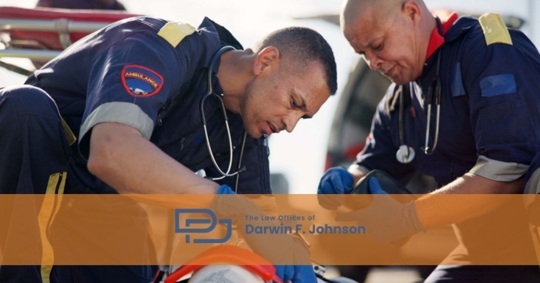
When Trauma Doesn't Show Up Right Away
In the moment, first responders power through. There’s no time to pause when someone’s life is on the line. But after the emergency ends—days, weeks, or even months later—your body and mind might still be reacting.
You may feel off and not know why. The job demands emotional armor, but the pressure builds. And sometimes, it cracks quietly.
Recognizing the Signs of Delayed Trauma
What It Can Look Like
The signs don’t always show up right away. Anxiety. Sleepless nights. A sudden rush of emotion you can’t explain. Or maybe it’s just a growing numbness. These symptoms can emerge long after the call is over—sometimes sparked by a smell, a sound, or a situation that hits too close to a memory you've tucked away.
If this sounds familiar, it doesn’t mean you’re weak. It means you’re human. First responders often suppress emotions to keep moving. That coping strategy works in the moment—but over time, it can resurface in ways that are hard to manage alone.
Why It Happens
Trauma isn't always immediate. Your brain may delay the reaction so you can get through the task at hand. But later, when life quiets down, the feelings return—sometimes more strongly. You might not connect them right away to what you've experienced on the job. But that connection matters, especially if you're thinking about getting help.
Why First Responders Are Especially Vulnerable
Job Pressure and Emotional Toll
The nature of emergency work means you're often seeing people on the worst days of their lives. You’re trained to keep moving forward, no matter the toll. Long shifts, constant danger, and the pressure to stay composed—those are just part of the job description. But they also take a toll that builds up silently.
Stigma and Workplace Culture
It doesn't help that the culture surrounding first responders can discourage vulnerability. You might hear things like “tough it out” or “don’t bring it home.” That makes it harder to ask for help when you need it. And even when you do want support, some departments fall short when it comes to real mental health resources.
Your Legal Rights After Trauma
Workers' Comp Isn’t Just for Physical Injuries
Mental health issues related to your job are just as real as physical ones—and the law increasingly recognizes them. But here’s the challenge: when trauma is delayed, it can be harder to prove. That’s where things can get complicated.
You need to show the connection between your job and your symptoms. If you're considering a claim, documentation helps—especially if you’ve talked to a doctor or therapist. And if you haven’t yet, it’s not too late to start. The earlier you seek support, the better your case.
Laws Are Changing
Some states, including Georgia, are starting to recognize PTSD and related conditions as valid work injuries—especially for first responders. But not all protections are created equal, and laws change fast. Having someone on your side who understands the legal system can make a huge difference in getting the support you deserve.
Building Support Systems That Help
At Work
Departments that care about mental health make it easier for everyone to speak up. That might mean offering counseling services, regular mental health check-ins, or even just creating space for honest conversations. When leadership encourages mental health awareness, it gives everyone permission to prioritize their wellbeing.
At Home
Outside of work, having strong support matters just as much. Whether it's friends, family, or others in the field, staying connected can keep you grounded. That sense of community makes it easier to notice when something’s not right—and to take action before it worsens.
The Roadblocks That Still Exist
The Mental Health Stigma
Let’s be real: the stigma still exists. People worry about looking weak, about being sidelined or judged. But mental health isn’t a flaw—it’s a part of being human. Addressing it doesn’t make you any less of a firefighter, officer, or medic. If anything, it makes you more resilient in the long run.
Getting Access to Care
Logistics can be a barrier even when you’re ready to get help. Therapy is expensive. Time is limited. Specialists can be hard to find. However, new options like teletherapy or embedded mental health providers in first responder departments are helping close the gap.
If your department doesn’t offer much support, you still have rights—and legal paths you can take to get the care and compensation you need.
Looking Ahead: What Needs to Change
Better Resources and Research
More research is being done on how delayed trauma affects people in emergency services. Treatments like EMDR and trauma-focused CBT are showing real promise. With more understanding comes more effective care—and better policies.
Policy and Legal Reform
Progress is being made, but there’s more to fight for: stronger protections, clearer workers' comp laws, and more mental health coverage. These changes don’t just happen on their own—they come from people speaking up, sharing their stories, and pushing for better standards across the board.
You're Not Alone—And You Don’t Have to Stay Silent
If you’re a first responder in Atlanta facing symptoms of delayed trauma, you don’t have to figure it out by yourself. At The Law Offices of Darwin F. Johnson, we’re here to help you understand your rights, your options, and how to move forward—both legally and personally.
Call us today at (470) 285-8246 to discuss how we can support you through a workers' comp claim or legal issue tied to your job. Your story deserves to be heard—and your health deserves to be protected.