
When temperatures drop across Georgia, construction work doesn’t stop—but the risks change. Working in cold conditions adds new hazards that can lead to serious injuries if crews aren’t careful. Understanding these dangers is the first step in staying safe and protecting your rights in the event of an accident.
If you’ve been injured while working in cold conditions, don’t wait to get help. Contact The Law Offices of Darwin F. Johnson today or call (470) 285-8246 for a confidential consultation.
How Cold Weather Affects Construction Work
Cold weather can make even routine tasks more dangerous. From icy surfaces to numb fingers, winter conditions affect how workers move, handle tools, and respond to hazards.
Common challenges construction workers face in cold months include:
- Slippery surfaces from ice, frost, or moisture
- Frozen tools and equipment that don’t work properly
- Reduced visibility from shorter daylight hours or fog
- Cold stress, which slows reaction time and leads to fatigue
Understanding how each hazard develops can help crews prevent injuries—and help injured workers recognize when to seek compensation for unsafe working conditions.
Slips, Trips, and Falls on Icy or Wet Surfaces
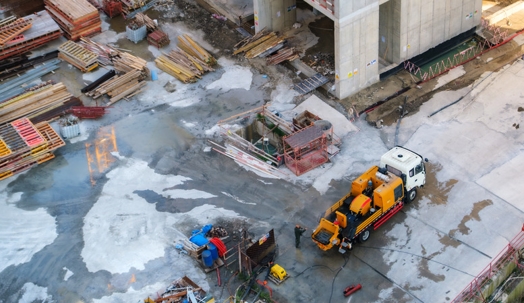
One of the most common winter hazards on construction sites is slipping or falling. Moisture, ice, or snow can build up on scaffolding, ladders, or unfinished surfaces. Even a small patch of frost can cause a serious accident.
Preventing Falls:
- Clear ice, snow, and water from walkways regularly
- Use sand or salt on slick surfaces
- Wear boots with non-slip soles
- Use guardrails or fall protection where required
If you slip and fall while performing your job duties, report the incident immediately and seek medical attention. Even minor falls can cause long-term injuries like back strain or head trauma.
Cold Stress: The Hidden Danger on the Job
Cold stress happens when the body loses heat faster than it can produce it. This can lead to conditions such as hypothermia, frostbite, and trench foot.
Warning Signs of Cold Stress:
- Shivering and numbness
- Slurred speech or confusion
- Pale or hard skin on fingers, ears, or toes
- Fatigue or loss of coordination
To reduce risk:
- Layer clothing and cover exposed skin
- Take breaks in warm areas
- Stay hydrated—cold air can dehydrate you
- Watch for signs of cold stress in your coworkers
Employers have a duty to provide safe working conditions, regardless of the weather conditions. That includes scheduling breaks, providing warm areas, and ensuring proper gear.
Equipment and Machinery Malfunctions in Cold Conditions
Cold temperatures can impact the operation of tools and heavy machinery. Hydraulic systems can freeze, batteries can fail, and metal parts can become brittle. These issues increase the chance of malfunctions and accidents.
To reduce equipment-related risks:
- Inspect tools and vehicles before each shift
- Allow engines to warm up before use
- Keep fuel and fluids at proper levels
- Report defective equipment immediately
If an employer ignores maintenance or pushes workers to use unsafe tools, any resulting injuries may qualify for a workers’ compensation claim through construction accident lawyers at The Law Offices of Darwin F. Johnson.
Reduced Visibility and Increased Fatigue
Winter days are shorter, and lighting is often poor. Add fog or rain, and visibility can drop dramatically. These conditions make it harder to see moving vehicles, materials, and coworkers.
Fatigue also increases in cold weather because the body uses more energy to maintain its body temperature. Workers may feel slower, colder, or more distracted—making mistakes more likely.
To stay alert and visible:
- Use reflective clothing and proper lighting
- Schedule tasks during daylight when possible
- Take short, frequent breaks to stay warm and focused
If an injury occurs because a site lacked proper lighting or safety precautions, it’s essential to report it and explore your legal options.
What to Do If You’re Injured on a Construction Site in Cold Weather
If you’re hurt while working in the cold, it’s vital to take quick, careful steps to protect both your health and your rights:
- Get medical attention immediately. Even if injuries seem minor, cold exposure can worsen over time.
- Report the injury to your supervisor or employer as soon as possible.
- Document the scene by noting hazards like ice, poor lighting, or broken equipment.
- Consult a workers’ compensation attorney to understand your rights and next steps.
You don’t have to face the process alone—Georgia’s workers’ compensation system can be complex, but help is available.
Atlanta Construction Accident Lawyers
Construction workers face tough conditions year-round, but winter brings unique challenges. If you were injured while working outdoors during cold weather, The Law Offices of Darwin F. Johnson can help you understand your rights and pursue the benefits you deserve.
The firm represents construction workers across Georgia who have suffered job-related injuries and require guidance through the workers’ compensation process.
Reach out to us today through our online contact form or call (470) 285-8246 to discuss your situation.
For more information about how Georgia law protects construction workers, visit the construction accident lawyers page.